
Road trip with pets: Embark on an unforgettable adventure with your furry, feathered, or scaled companions! Planning a successful pet-friendly road trip requires careful consideration, from selecting the perfect accommodations to ensuring your pet’s safety and comfort throughout the journey. This guide delves into every aspect, providing practical tips and resources to make your trip a memorable experience for both you and your beloved pet.
From crafting detailed itineraries and packing essential supplies to navigating pet-friendly destinations and managing potential anxieties, we’ll cover it all. Learn how to choose suitable accommodations, discover hidden gems along the way, and prioritize your pet’s well-being throughout the entire adventure. Get ready to hit the open road with confidence and create lasting memories with your travel buddy.
Planning the Perfect Pet-Friendly Road Trip
Embarking on a road trip with your beloved pet can be an incredibly rewarding experience, creating lasting memories for both you and your furry friend. However, thorough planning is crucial to ensure a safe, comfortable, and enjoyable journey for everyone involved. This section Artikels key aspects of preparing for a successful pet-friendly road trip.
Sample 7-Day Road Trip Itinerary with a Dog
This itinerary focuses on a balanced mix of driving time and pet-friendly activities, prioritizing shorter driving days to minimize stress on your dog. Remember to adjust this based on your dog’s breed, age, and stamina.
Day 1: Travel to a nearby dog park for an initial outing. Settle into pet-friendly accommodation. (Driving time: 2-3 hours).
Day 2: Explore a local hiking trail suitable for dogs. Enjoy a relaxing evening at your accommodation. (Driving time: minimal).
Day 3: Drive to a scenic coastal town with dog-friendly beaches. Spend the afternoon playing fetch and enjoying the ocean views. (Driving time: 3-4 hours).
Day 4: Visit a pet-friendly winery or brewery with outdoor seating. Enjoy a leisurely lunch and relax. (Driving time: minimal).
Day 5: Drive to a national park with designated dog-friendly trails. Hike to a scenic viewpoint and enjoy the natural beauty. (Driving time: 4-5 hours).
Day 6: Explore a charming town with pet-friendly shops and restaurants. Enjoy a final evening out with your dog. (Driving time: minimal).
Day 7: Begin your journey home, incorporating a stop at a dog park for a final playtime session. (Driving time: varies).
Essential Items Checklist for a Pet-Friendly Road Trip
Packing the right supplies is vital for a smooth trip. The checklist below categorizes essential items by pet type, highlighting crucial differences in needs.
For Dogs: Food and water bowls, leash, collar with ID tags, poop bags, favorite toys, comfortable bedding, harness (if applicable), first-aid kit (including antiseptic wipes, gauze pads, and any necessary medication), dog seatbelt or carrier, travel-sized shampoo, and a towel.
For Cats: Food and water bowls, litter box and litter, carrier, scratching post (smaller, travel-sized one), favorite toys, comfortable bedding, cat seatbelt or carrier, a spray bottle with water (for calming), and a familiar blanket.
For Other Pets (e.g., birds, small mammals): Appropriate food and water, cage or carrier with bedding, toys, travel-sized cleaning supplies (if needed), and any necessary medications or special care items.
Managing Pet Anxiety During Long Drives
Long car rides can be stressful for pets. Several strategies can help alleviate anxiety.
Before the trip, desensitize your pet to the car by leaving it running for short periods with the pet inside, gradually increasing the duration. During the drive, provide a comfortable and secure space, such as a pet carrier or a well-secured dog bed in the backseat. Playing calming music or using pheromone diffusers can help reduce anxiety.
Frequent stops for walks and potty breaks are crucial. Consider consulting a veterinarian about anti-anxiety medication if your pet experiences severe anxiety.
Keeping Pets Safe and Comfortable in the Car
Pet safety is paramount.
Never leave your pet unattended in a parked car, especially during warmer months. Use a pet seatbelt or carrier to secure your pet during the drive, preventing them from becoming projectiles in the event of an accident. Ensure your pet has access to fresh water and avoid feeding them large meals before or during the drive to prevent car sickness.
Keep the car well-ventilated and at a comfortable temperature. Consider using window shades to block direct sunlight. Regularly check on your pet’s well-being throughout the journey.
Pet-Friendly Accommodation Options: Road Trip With Pets
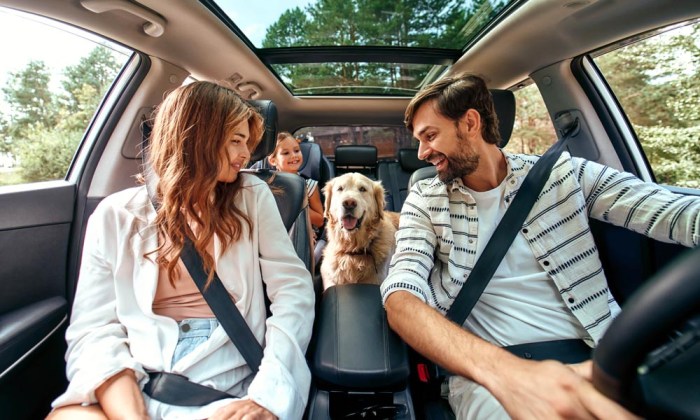
Choosing the right accommodation for your road trip with your pet is crucial for a smooth and enjoyable experience for both you and your furry friend. Factors like cost, amenities, and location all play a significant role in determining the ideal pet-friendly lodging. This section will explore various options and provide guidance for making the best choice.
Comparing Pet-Friendly Accommodation Types
Pet-friendly accommodations come in a variety of forms, each with its own advantages and disadvantages. Hotels, motels, and vacation rentals represent the most common choices. Hotels often offer a higher level of service and amenities, but can be more expensive and may have stricter pet policies. Motels generally offer more budget-friendly options and often have less restrictive pet policies, but may lack the amenities found in hotels.
Vacation rentals, such as houses or apartments, provide more space and privacy, allowing for greater flexibility for your pet, but may require additional cleaning fees or deposits. The best choice depends heavily on your budget, travel style, and the needs of your pet.
Criteria for Selecting Pet-Friendly Accommodations
Several key factors should be considered when selecting pet-friendly accommodations. Cost is a primary concern; prices vary significantly depending on the type of accommodation, location, and pet policies. Amenities such as pet-sitting services, nearby dog parks, or even pet-friendly patios can greatly enhance your trip. Location is also crucial; proximity to pet-friendly trails, parks, or veterinary services can significantly improve your pet’s comfort and safety.
Finally, understanding the specific pet policies of each accommodation is essential. This includes understanding any restrictions on pet size, breed, or number, as well as any associated fees.
Resources for Finding Pet-Friendly Accommodations
Numerous online resources can assist in locating pet-friendly accommodations across various regions. Websites such as BringFido, Petswelcome, and TripAdvisor all allow you to filter your search results based on pet-friendliness. Many booking sites, including Booking.com and Expedia, also have filters for pet-friendly options. Additionally, directly contacting hotels, motels, and vacation rental agencies is a reliable way to confirm pet policies and availability.
Remember to always double-check the specific pet policies before making a reservation.
Comparison of Pet Policies Across Major Hotel Chains
The following table compares the pet policies of three major hotel chains. Note that these policies can vary by location, so it’s always advisable to verify directly with the specific hotel.
| Hotel Chain | Pet Fee | Pet Size/Breed Restrictions |
|---|---|---|
| Marriott | Varies by location; often a daily or one-time fee. | Generally allows pets, but size and breed restrictions may apply; check individual hotel policies. |
| Hilton | Varies by location; often a daily or one-time fee. | Generally allows pets, but size and breed restrictions may apply; check individual hotel policies. |
| Hyatt | Varies by location; often a daily or one-time fee. | Generally allows pets, but size and breed restrictions may apply; check individual hotel policies. |
Activities and Destinations
Planning engaging activities and choosing the right destinations is crucial for a memorable pet-friendly road trip. Careful consideration of your pet’s needs and the available amenities will ensure a smooth and enjoyable journey for both you and your furry friend. This section will explore several options for enriching your travel experience.
Pet-Friendly National Parks and Their Regulations
Several national parks across the United States welcome well-behaved pets, but it’s vital to understand their specific rules and regulations. Failure to comply can result in fines or even expulsion from the park. Always check the park’s official website for the most up-to-date information before your visit.
- Great Smoky Mountains National Park (North Carolina & Tennessee): Pets are allowed on paved roads, in developed campgrounds, and on designated trails, but must always be leashed. They are prohibited from entering buildings, backcountry areas, and certain sensitive ecosystems.
- Acadia National Park (Maine): Dogs are permitted on most trails, but must be kept on a leash no longer than six feet. They are excluded from beaches and certain carriage roads during peak season. Many trails offer stunning coastal views, perfect for a scenic walk with your canine companion.
- Petrified Forest National Park (Arizona): Pets are welcome on paved roads and in developed areas, but must remain leashed at all times. They are prohibited from trails and backcountry areas to protect the fragile environment. The park offers breathtaking views of ancient petrified wood.
- Rocky Mountain National Park (Colorado): Dogs are permitted on paved roads and in developed areas, but must be leashed. They are not allowed on trails above timberline or in certain sensitive areas. The park boasts incredible mountain scenery and opportunities for shorter, easier walks.
- Cuyahoga Valley National Park (Ohio): Pets are allowed on paved trails and in developed areas, but must be leashed. They are prohibited from entering buildings and certain sensitive areas. The park offers a variety of easy-to-moderate trails, perfect for a leisurely hike with your pet.
Dog-Friendly Beaches Across the United States
The United States boasts a vast coastline with numerous dog-friendly beaches offering a refreshing escape for both you and your canine companion. Remember to always clean up after your pet and respect local regulations.
- Coronado Beach (California): Wide, sandy beach with excellent accessibility and ample space for dogs to run. Amenities include restrooms and parking.
- Huntington Beach Dog Beach (California): Popular off-leash beach with plenty of space for dogs to play. Offers easy access and parking.
- Virginia Beach (Virginia): Designated dog-friendly areas with ample space for dogs to roam. Offers a mix of sandy beaches and boardwalk access.
- Carmel Beach (California): Scenic beach with some off-leash areas, known for its beautiful scenery. Accessibility can be limited in certain areas.
- Fort De Soto Park (Florida): Offers several dog-friendly beaches with varying levels of accessibility. Features picnic areas and restrooms.
- Ocean Beach (San Francisco, California): Known for its wide open space and generally relaxed atmosphere for dogs. Can be crowded at times.
- Long Beach (Washington): Offers miles of sandy beach perfect for long walks with dogs. Accessibility varies depending on the tide.
- Pawleys Island (South Carolina): Several dog-friendly stretches of beach with good accessibility. Known for its laid-back atmosphere.
- East Beach (Santa Barbara, California): Offers a designated off-leash area for dogs, with stunning ocean views.
- South Beach (Myrtle Beach, South Carolina): Offers a dedicated dog park section of the beach, ideal for canine socialization.
Finding Pet-Friendly Hiking Trails and Ensuring Pet Safety
Numerous hiking trails across the country welcome well-behaved pets, providing opportunities for adventure and exercise. Prioritize safety by choosing trails appropriate for your pet’s physical capabilities and ensuring they are always leashed. Check trail conditions and weather forecasts before setting out.
Always carry water and a first-aid kit for your pet. Be mindful of potential hazards, such as poisonous plants, wildlife, and steep terrain. Remember to pack waste bags and dispose of pet waste properly to maintain trail cleanliness. Consider the time of year; avoid hiking during the hottest parts of the day, especially in warmer climates. Pay close attention to your pet’s behavior and turn back if they seem tired or distressed.
Sample Weekend Road Trip Itinerary: Pet-Friendly Activities in the Pacific Northwest
This itinerary focuses on exploring the beautiful landscapes of the Pacific Northwest, incorporating pet-friendly activities.
Day 1: Arrive in Portland, Oregon. Check into a pet-friendly hotel or Airbnb. Enjoy a leisurely walk along the Willamette River waterfront, followed by dinner at a dog-friendly patio restaurant.
Day 2: Hike a portion of the easy, pet-friendly trails in Forest Park, enjoying the lush greenery. Spend the afternoon exploring the many dog-friendly breweries in Portland, many of which have outdoor seating areas.
Day 3: Drive to Cannon Beach, Oregon. Enjoy a stroll along the beach (checking for dog-friendly areas), marveling at Haystack Rock. Depart for home in the afternoon.
Pet Travel Safety and Health
Embarking on a road trip with your beloved pet requires careful planning to ensure their safety and well-being throughout the journey. A proactive approach to pet travel health minimizes risks and allows for a more enjoyable experience for both you and your furry friend. This section focuses on crucial aspects of pet travel safety and health, providing guidance to help you prepare for a smooth and stress-free trip.
Pet Travel Insurance Coverage
Pet travel insurance offers valuable protection against unexpected veterinary expenses during your road trip. Comprehensive policies typically cover accidents, illnesses, and even emergency evacuations. Key coverage aspects include veterinary fees for injuries or illnesses sustained during travel, emergency hospitalization, and the cost of transporting your pet to a veterinary facility. Consider the potential costs associated with unforeseen veterinary emergencies; a simple broken leg can quickly accumulate thousands of dollars in expenses.
Choosing a policy with a high coverage limit and low deductible is advisable, particularly for older or pets with pre-existing conditions. Always review the policy details carefully to understand the specific inclusions and exclusions before purchasing.
Pet First-Aid for Road Trip Emergencies
Having a well-stocked pet first-aid kit is essential for handling minor injuries or illnesses that may arise during your road trip. This kit should include items such as antiseptic wipes, gauze pads, adhesive bandages, tweezers, a thermometer, and any medications your pet regularly takes. Knowing basic pet first aid is also crucial. For example, you should be able to recognize and treat minor cuts and scrapes, apply pressure to stop bleeding, and recognize signs of heatstroke or shock.
It’s recommended to take a pet first-aid course to learn essential life-saving techniques. Remember, for any serious injuries or illnesses, immediate veterinary attention is necessary.
Preparing Your Pet for Travel: Vaccinations and Microchipping
Before embarking on your road trip, ensure your pet is up-to-date on all necessary vaccinations. Consult your veterinarian to determine the appropriate vaccines based on your pet’s age, breed, and destination. Rabies vaccination is usually mandatory, and other core vaccines protect against common canine or feline diseases. Microchipping your pet is also highly recommended. A microchip provides permanent identification, significantly increasing the chances of your pet being returned to you if they become lost or separated during your trip.
Your veterinarian can easily implant a microchip, and you should register the chip’s information with a pet recovery database.
Emergency Veterinary Contact Information, Road trip with pets
Having a list of emergency veterinary services readily available in different states along your planned route is crucial. While many veterinary clinics offer emergency services, it’s wise to identify 24-hour emergency animal hospitals beforehand. Several online resources and veterinary associations provide directories of emergency veterinary clinics. Maintaining a list of phone numbers and addresses for these facilities, organized by state or region, allows for swift action in case of a pet emergency.
For example, you could compile a list organized by state, including the name, address, phone number, and hours of operation for at least two veterinary emergency services in each state you plan to travel through.
Budgeting and Saving Money
Planning a pet-friendly road trip doesn’t have to break the bank. With careful budgeting and smart planning, you can enjoy a memorable adventure without exceeding your financial limits. This section Artikels strategies for minimizing costs related to accommodation, transportation, pet supplies, and other essential expenses.
Affordable Pet-Friendly Accommodations
Finding budget-friendly pet-friendly lodging requires proactive searching and flexibility. Websites like Booking.com, Expedia, and Airbnb often filter for pet-friendly options, but specifying “pet-friendly” directly in the search bar is crucial. Consider expanding your search radius to include slightly less central locations, which often offer lower rates. Look for smaller, independently owned motels or inns; they may be more willing to accommodate pets than large chains, and sometimes offer more competitive rates.
Camping is another extremely cost-effective option, provided your pet is comfortable and well-behaved in an outdoor environment. Remember to always confirm pet policies and any associated fees directly with the accommodation provider before booking.
Comparing Pet Travel Costs
The cost of transporting your pet significantly varies depending on the chosen method. Driving your own car is generally the most affordable option, allowing for greater flexibility and control over your pet’s comfort. However, factor in fuel costs, potential vehicle wear and tear, and any unexpected roadside expenses. Train travel can be a comfortable alternative for shorter distances, but pet fees can be substantial and space might be limited.
Air travel is the most expensive option and often involves strict regulations, crate requirements, and potentially high pet fees charged by airlines. For example, a 1000-mile road trip might cost $200-$300 in fuel, while flying the same distance with a pet could cost upwards of $500-$1000 depending on the airline and pet size. Thoroughly research each option’s costs and pet policies before making a decision.
Saving Money on Pet Food and Supplies
To minimize expenses on pet food and supplies, plan ahead. Purchase larger quantities of your pet’s food before the trip to benefit from bulk discounts. Consider bringing along reusable food and water bowls to avoid buying disposable ones along the way. Pack essential medications and first-aid supplies to avoid emergency purchases. Instead of buying pet treats at tourist shops, which often inflate prices, purchase them beforehand or at larger retailers along your route.
Sample Budget for a 10-Day Road Trip with a Pet
| Expense Category | Estimated Cost |
|---|---|
| Gas/Fuel | $300 – $500 (depending on distance and vehicle) |
| Accommodation (8 nights – mix of budget hotels/motels and camping) | $500 – $800 |
| Food (for humans and pet) | $400 – $600 |
| Activities/Entrance Fees | $200 – $400 (depending on chosen activities) |
| Pet Supplies (food, treats, medication, etc.) | $100 – $150 |
| Unexpected Expenses (emergencies, tolls, etc.) | $100 – $200 |
| Total Estimated Cost | $1600 – $2650 |
Note: This is a sample budget and actual costs will vary depending on your specific itinerary, travel style, and pet’s needs. It’s crucial to create your own detailed budget based on your planned activities and destinations.
Exploring Related Travel Options
Choosing the right travel method for a trip with your pet significantly impacts your overall experience. While road trips offer unparalleled flexibility, other options like flights, trains, and cruises present alternative approaches, each with its own set of advantages and disadvantages regarding pet inclusion. Carefully weighing these factors ensures a smooth and enjoyable journey for both you and your furry friend.
Road trips, trains, flights, and cruises each present a unique set of considerations when traveling with pets. Road trips offer the greatest flexibility and control over your pet’s comfort, but require more time and planning. Flights can be faster but often involve restrictive pet carrier sizes and potential stress for your animal. Trains can be a comfortable option for shorter distances, with varying pet policies depending on the railway company.
Cruises generally have limited pet policies, often excluding most animals. The best choice depends on your destination, budget, and pet’s temperament.
Pet-Friendly Travel Method Comparisons
The following table compares the pet-friendliness of various travel methods:
| Travel Method | Pet-Friendliness | Advantages | Disadvantages |
|---|---|---|---|
| Road Trip | High (with proper planning) | Flexibility, control over pet’s comfort, ability to bring more pet supplies. | Time-consuming, requires more planning, potential for pet fatigue. |
| Flight | Moderate (often restricted) | Fast travel times. | Restrictive pet carrier sizes, potential for pet stress, additional fees. |
| Train | Moderate (varies by company) | Relatively comfortable, less stressful than flying for some pets. | Limited availability of pet-friendly routes, potential for longer travel times. |
| Cruise | Low (often restricted or prohibited) | All-inclusive vacation experience. | Strict pet policies, often only allowing small dogs or cats in limited cabins, high cost. |
Budget-Friendly Accommodation Options
Finding affordable lodging while traveling with pets doesn’t mean sacrificing comfort. Hostels, campsites, and budget hotels frequently welcome well-behaved animals, offering cost-effective alternatives to more expensive options.
Many hostels cater to budget travelers and often have pet-friendly policies, although specific rules may vary. Campgrounds provide a fantastic opportunity for outdoor adventures with your pet, allowing for plenty of space to roam and play. Budget hotels, while not always explicitly advertising pet-friendliness, often have flexible policies and can be a great value option, especially when booking in advance or during the off-season.
Always confirm pet policies and any associated fees directly with the establishment before booking.
Finding Deals and Discounts on Vacation Rentals
Websites specializing in vacation rentals, like Airbnb and VRBO, often offer discounts and deals on pet-friendly accommodations. Searching during the off-season or looking for longer-term stays can significantly reduce costs. Using filters to specifically search for pet-friendly properties simplifies the process and ensures your pet is welcome. Reading reviews can highlight properties with particularly positive experiences for pet owners.
Consider utilizing coupon codes or signing up for email newsletters to receive exclusive deals and promotions.
RV and Camper Travel with Pets: Advantages and Disadvantages
RV and camper travel offers a unique blend of freedom and convenience for pet owners. However, it’s crucial to weigh the advantages and disadvantages before embarking on this type of adventure.
The decision to travel in an RV or camper with your pet requires careful consideration. While it offers unparalleled flexibility and control, it also presents unique challenges.
- Advantages: Constant companionship, ability to bring more pet supplies, greater pet comfort and freedom, flexibility to stop and explore.
- Disadvantages: Higher initial investment cost, potential for pet-related damage to the vehicle, limited space, need for careful planning regarding pet safety and hygiene, added cleaning responsibilities.
Unique Pet-Friendly Accommodations
Beyond traditional hotels and vacation rentals, several unique accommodations welcome pets, providing memorable travel experiences.
Imagine waking up to the sounds of nature in a cozy treehouse, or enjoying a tranquil lake view from a houseboat. These unique accommodations can enhance your pet-friendly travel experience.
Treehouses: Often secluded and surrounded by nature, treehouses offer a unique and peaceful retreat. Features may include balconies or decks for pets to enjoy the outdoors, and easy access to nearby trails for walks. Suitability for pets depends on the treehouse’s structure and size, and careful consideration should be given to pet safety (e.g., preventing falls). Some treehouses may have height restrictions or stairs that could be challenging for larger or older pets.
Houseboats: Offering a relaxing and scenic experience, houseboats are floating homes that provide a unique perspective on the water. Features typically include spacious decks, allowing pets ample space to roam and enjoy the views. However, ensure your pet is comfortable with water and boats, and always prioritize their safety with appropriate harnesses and life vests. Some houseboats may have size restrictions for pets or require additional cleaning fees.
Ultimately, a successful road trip with pets hinges on meticulous planning and a deep understanding of your pet’s needs. By carefully considering factors such as accommodation, safety, and activities, you can ensure a smooth and enjoyable journey for everyone involved. Remember, the key is to prioritize your pet’s well-being, making the experience enriching and memorable for both of you.
So pack your bags, grab your pet, and hit the road – adventure awaits!
Query Resolution
What are some common signs of car sickness in pets?
Signs of car sickness in pets include drooling, panting, restlessness, vomiting, and whining.
How can I help my pet adjust to car travel?
Start with short car rides, reward calm behavior, and consider using calming aids like pheromone sprays or calming treats.
What documents should I bring for my pet when traveling?
Bring your pet’s vaccination records, microchip information, and any necessary health certificates or permits.
What should I do if my pet gets injured on a road trip?
Immediately seek veterinary care. Having a list of emergency veterinary contacts for your route is crucial.


