Traveling with babies and toddlers presents unique challenges and rewards. This guide navigates the complexities of planning, packing, and managing a trip with young children, offering practical advice and insightful tips to ensure a smooth and enjoyable experience for the whole family. From choosing the right mode of transportation to finding budget-friendly accommodations, we’ll explore various strategies to minimize stress and maximize fun on your next adventure.
We’ll delve into detailed itineraries, packing lists tailored to different ages, and effective methods for managing the unique needs of infants and toddlers while traveling. We’ll also address common concerns, such as dealing with tantrums, managing feeding schedules, and ensuring a comfortable journey for your little ones. Whether you’re planning a long-haul flight, a scenic road trip, or a relaxing cruise, this comprehensive guide will equip you with the knowledge and confidence to embark on a memorable family vacation.
Road Trip Guides
Embarking on a road trip with young children requires meticulous planning and preparation. Success hinges on anticipating potential challenges and implementing strategies to mitigate them, transforming a potentially stressful journey into a memorable family adventure. This guide provides practical advice and a sample itinerary to help you navigate the complexities of traveling with babies and toddlers.
Planning a Successful Road Trip
Thorough preparation is key to a smooth road trip with young children. Begin by creating a detailed itinerary, factoring in realistic travel times, considering your children’s nap schedules and feeding routines. Prioritize rest stops and plan for frequent breaks to avoid overstimulation and potential meltdowns. Packing appropriately is crucial; include essentials such as diapers, wipes, changes of clothes, snacks, and entertainment.
A well-stocked first-aid kit is also essential. Remember to check your car’s maintenance, ensuring everything is in optimal working order before you set off. Consider purchasing or renting a car with ample space for luggage and car seats.
Breaking Up Long Drives
Long stretches of driving can be taxing for both parents and children. To mitigate this, plan for frequent stops at designated rest areas or family-friendly attractions. These breaks provide opportunities for children to stretch their legs, use the restroom, and burn off excess energy. Aim for stops every 2-3 hours, adjusting based on your children’s needs. Incorporate activities during these breaks, such as short walks, playground visits, or exploring local parks.
This helps to break the monotony of the journey and keep children engaged. Consider utilizing audiobooks or podcasts tailored for children during driving time.
Managing Car Sickness
Car sickness is a common concern when traveling with young children. To minimize the risk, ensure adequate ventilation within the vehicle. Avoid strong smells and encourage your children to focus on the horizon rather than reading or looking down. Packing motion sickness remedies, such as ginger candies or medication prescribed by a doctor, is advisable. Feeding your child light, easily digestible foods before and during the journey can also help.
Regular stops for fresh air and movement can prevent nausea. If car sickness is a recurring issue, consult your pediatrician for guidance and possible solutions.
Keeping Children Entertained
Keeping children entertained during a road trip requires a multifaceted approach. Pack a variety of toys, books, and activities to prevent boredom. Consider age-appropriate options such as coloring books, sticker books, travel games, and interactive tablets loaded with educational apps. Audiobooks and children’s music can also be valuable tools for entertainment. Engage your children in sing-alongs, storytelling, and I-Spy games to maintain their interest.
Rotate activities regularly to prevent fatigue and maintain engagement. Remember to pack some new toys or activities to introduce at different points in the trip to keep the children interested.
Sample Road Trip Itinerary
This sample itinerary illustrates a possible 3-day road trip from Chicago to Milwaukee, focusing on family-friendly attractions.
| Day | Location | Activities |
|---|---|---|
| Day 1 | Chicago, IL | Visit the Lincoln Park Zoo, enjoy a picnic lunch, and take a walk along the lakefront. |
| Day 2 | Madison, WI | Stop at the Henry Vilas Zoo, explore the Olbrich Botanical Gardens, and enjoy a family-friendly dinner. |
| Day 3 | Milwaukee, WI | Visit the Milwaukee County Zoo, explore the Discovery World museum, and enjoy the city’s vibrant atmosphere. |
Note: This is a sample itinerary and can be adjusted based on your family’s preferences and the children’s ages and needs. Always account for travel time between locations and plan for flexibility.
Budget Accommodation Tips
Traveling with babies and toddlers can be expensive, and accommodation often represents a significant portion of your travel budget. Finding affordable yet comfortable lodging is key to a successful and stress-free family trip. This section provides practical strategies for securing budget-friendly accommodation without compromising on the essentials needed for your little ones.Finding affordable family accommodation requires a strategic approach utilizing various online resources and considering alternative lodging types.
Effective use of online booking platforms, combined with understanding the nuances of different accommodation options, will significantly impact your travel costs.
Utilizing Online Booking Platforms
Several online travel agencies (OTAs) offer tools and filters to help you find budget-friendly options. Websites like Booking.com, Expedia, and Kayak allow you to filter your search by price, guest rating, amenities (cribs, high chairs, etc.), and location. It’s advisable to compare prices across multiple platforms, as pricing can vary. Consider using incognito mode on your browser to avoid personalized pricing adjustments based on previous searches.
Furthermore, be flexible with your travel dates; mid-week stays and off-season travel often result in lower prices. Lastly, signing up for email alerts from these platforms can notify you of price drops or special offers.
Budget-Friendly Accommodation Options
Several accommodation types cater specifically to families on a budget. Hostels, while often associated with solo travelers, increasingly offer family rooms or private rooms with shared facilities. These options can be significantly cheaper than hotels, especially when traveling with multiple children. Guesthouses and bed and breakfasts often provide a more homely atmosphere and sometimes include breakfast, which can save on food costs.
Consider searching for apartments or vacation rentals through platforms like Airbnb or Vrbo; these can be more spacious and offer self-catering facilities, allowing you to prepare meals for your children, further reducing costs. Remember to carefully review guest reviews to ensure the accommodation is suitable for families with young children. For instance, a review might mention the presence of a safe play area or the availability of a high chair.
Negotiating Rates and Finding Deals, Traveling with babies and toddlers
Don’t hesitate to contact accommodation providers directly to inquire about potential discounts or special offers. Many smaller establishments are willing to negotiate, especially during the off-season or for longer stays. Look for package deals that combine accommodation with other services, such as car rental or airport transfers. Consider joining loyalty programs with hotel chains or OTAs to earn points or discounts on future bookings.
Finally, keep an eye out for last-minute deals and flash sales, which can offer significant savings. For example, a family might find a 50% discount on a last-minute booking for a family suite at a resort during the shoulder season.
Vacation Rentals and Airbnb
Vacation rentals and Airbnbs offer a compelling alternative to traditional hotels for families, providing more space and often, a more home-like atmosphere. However, choosing between a hotel and a vacation rental involves careful consideration of both the advantages and disadvantages. This section will explore these aspects, offering guidance for families planning their next trip.Choosing a vacation rental or Airbnb for a family vacation presents several key advantages.
The extra space is often a significant draw, allowing for more comfortable accommodations for parents and children, with separate sleeping areas potentially eliminating the need for multiple hotel rooms. Many vacation rentals offer amenities specifically geared towards families, such as kitchens for preparing meals, laundry facilities for managing clothes, and even dedicated children’s play areas. This can significantly reduce costs associated with eating out and provides greater flexibility in managing daily routines.
Furthermore, the sense of independence and privacy offered by a vacation rental can be invaluable for families who prefer a more relaxed and less structured vacation experience.
Finding Family-Friendly Vacation Rentals
Finding a family-friendly vacation rental requires proactive searching and careful filtering. Websites like Airbnb and VRBO allow you to filter search results based on amenities such as cribs, high chairs, and children’s play areas. Reading reviews is crucial; look for comments specifically mentioning the suitability of the property for families with young children. Pay close attention to descriptions of safety features, such as fences around pools or gated yards, if applicable.
Pictures can be deceiving, so rely heavily on reviews to confirm the accuracy of the listing. Consider locations that offer easy access to family-friendly attractions and activities, minimizing travel time and stress. Booking well in advance, especially during peak seasons, will secure the best availability and potentially better rates.
Essential Questions to Ask When Booking a Vacation Rental
Before finalizing a booking, a comprehensive checklist of questions is essential to ensure the property meets your family’s needs. These questions should cover various aspects, including safety, amenities, and property details. For example, inquire about the presence and condition of safety features such as smoke detectors and carbon monoxide detectors. Confirm the availability and condition of advertised amenities such as cribs, high chairs, and play areas.
Clarify the specifics of the check-in and check-out process, including key collection or access codes. Ask about parking arrangements, particularly if traveling with multiple vehicles. Inquire about the availability of essential items like Wi-Fi and laundry facilities. Finally, confirm the cancellation policy and any associated fees. A clear understanding of these details will contribute to a smoother and more enjoyable family vacation.
Hotel Reviews and Tips
Choosing the right hotel can significantly impact the enjoyment of your family vacation. A well-chosen hotel can provide a relaxing and enjoyable base for your adventures, while a poor choice can lead to stress and exhaustion. This section offers reviews of family-friendly hotels and tips to help you make an informed decision.Finding a hotel that caters to families with young children requires careful consideration of several key factors.
The right hotel can transform a potentially stressful trip into a memorable family experience.
Family-Friendly Hotel Amenities and Services
Many hotels now actively market themselves as family-friendly, offering a range of amenities designed to cater to the needs of parents and children. These amenities can significantly enhance your stay and reduce the stress associated with traveling with young children.The presence of a dedicated kids’ club, for instance, allows parents some much-needed downtime while ensuring children are entertained and supervised in a safe environment.
Imagine a relaxing evening meal while your children are happily engaged in age-appropriate activities. Many kids’ clubs offer structured programs, including arts and crafts, games, and storytelling.Similarly, on-site pools and play areas provide children with a space to burn off energy, preventing boredom and restlessness. The convenience of having these facilities readily available within the hotel complex eliminates the need for constant travel to external locations, saving time and effort.
Picture your children splashing happily in the pool while you relax by the side, enjoying a well-deserved break.
Considerations When Booking a Family Hotel
Before booking a family hotel, several key factors should be considered to ensure a smooth and enjoyable trip. Asking the right questions can save you potential headaches and ensure your family’s comfort.
- Proximity to Attractions: Consider the hotel’s location relative to your planned activities. A hotel close to major attractions will minimize travel time and reduce stress, especially with young children.
- Room Size and Configuration: Ensure the room is spacious enough to accommodate your family comfortably. Look for rooms with separate sleeping areas or connecting rooms to provide privacy and space.
- Availability of Cribs and High Chairs: Confirm the availability of necessary baby equipment like cribs and high chairs to avoid bringing your own or facing disappointment upon arrival. Inquire about any extra fees associated with these items.
- On-site Dining Options: Check if the hotel offers family-friendly dining options, including kids’ menus and high chair availability in the restaurants. This can save you the trouble of searching for suitable restaurants outside the hotel.
- Laundry Facilities: Traveling with young children often leads to laundry needs. Inquire about laundry facilities, whether in-room or on-site, to avoid accumulating dirty clothes.
- Accessibility Features: If you have any special needs, confirm the hotel’s accessibility features, such as ramps, elevators, and accessible rooms.
- Safety Measures: Inquire about the hotel’s safety measures, such as security personnel, child safety features in the pool area, and emergency procedures.
Examples of Family-Friendly Hotels
While specific reviews vary depending on individual experiences, several hotel chains are consistently praised for their family-friendly offerings. For example, many resorts in Orlando, Florida, cater specifically to families, offering extensive kids’ clubs, water parks, and character meet-and-greets. Similarly, some large hotel chains offer family suites with multiple bedrooms and separate living areas, providing ample space for families.
These hotels often feature kids’ pools and playgrounds, creating a dedicated space for children to play. Furthermore, many hotels provide family-friendly amenities like cribs, high chairs, and kids’ menus.
RV and Camper Travel
RV and camper travel offers a unique blend of freedom and family time, allowing for spontaneous adventures and creating lasting memories. However, traveling with young children in an RV presents both advantages and disadvantages that prospective families should carefully consider before embarking on this type of journey. The flexibility and cost savings can be significant, but careful planning and preparation are essential for a smooth and enjoyable trip.
Benefits and Challenges of RV and Camper Travel with Young Children
The primary benefit of RV travel with children is the increased flexibility and control over your itinerary. You can adjust your plans on the fly, staying longer in places your children enjoy and moving on quickly if needed. This eliminates the stress of packing and unpacking hotel rooms, and provides a consistent and familiar sleeping environment for your little ones.
Children often enjoy the novelty of RV life, exploring the vehicle itself and feeling a sense of adventure. However, space constraints can be challenging, requiring careful organization and packing. Maintaining cleanliness in a confined space is also crucial, and dealing with potential breakdowns or unexpected repairs can be more stressful than with other modes of transportation. Additionally, finding suitable campsites with amenities for young children may require advance planning.
Essential Items Checklist for RV or Camper Travel with Babies and Toddlers
A well-planned packing list is paramount for successful RV travel with young children. Overpacking is easy, so prioritizing essentials is key. This list should be tailored to the age and needs of your child(ren), the length of your trip, and the climate you’ll be traveling in.
- Diapers and Wipes: Bring a generous supply, considering potential delays or difficulties in resupply.
- Formula or Baby Food: Pack enough for the entire trip, or plan where you’ll purchase more along the way.
- Clothes: Pack a variety of outfits for different weather conditions, including extra layers.
- Sleepwear and Bedding: Ensure your child has comfortable pajamas and bedding appropriate for the RV’s sleeping arrangements.
- Toys and Books: Pack familiar favorites to keep children entertained during travel and downtime.
- Portable Crib or Playpen: Provides a safe and familiar sleeping and playing space.
- First-aid Kit: Include age-appropriate medications and supplies.
- Car Seat(s): Essential for safety during travel.
- Baby Carrier or Sling: Helpful for hands-free carrying of infants and toddlers.
- High Chair or Booster Seat: Essential for mealtimes.
- Sunscreen and Insect Repellent: Protect your child from the elements.
- Wet Wipes and Hand Sanitizer: Crucial for maintaining hygiene on the road.
Managing Space and Comfort in an RV or Camper
Maximizing space and comfort in an RV with a family requires creative solutions and careful planning. Utilizing vertical space with shelves and organizers is crucial. Consider using storage bins and containers to keep items organized and easily accessible. Folding furniture and convertible spaces can help maximize available area. Prioritizing comfort for the children is key.
Creating designated play areas and sleeping spaces helps maintain order and provides a sense of security for the children. Investing in comfortable bedding and ensuring adequate ventilation and temperature control will contribute significantly to a pleasant travel experience. Remember to plan for regular breaks to allow the family to stretch their legs and avoid feeling confined. Regular stops at parks and playgrounds can help alleviate any feelings of restlessness in the children.
Unique Stays and Treehouses: Traveling With Babies And Toddlers
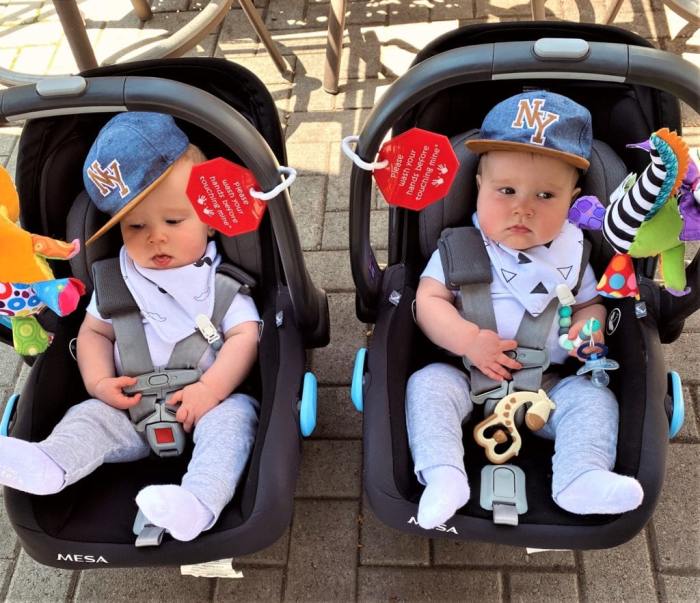
Escaping the ordinary hotel experience can significantly enhance a family vacation. Unique accommodations, such as treehouses and cabins, offer a chance to immerse yourselves in nature, create lasting memories, and enjoy a change of pace from the typical tourist experience. These options often provide a more intimate and personalized setting, fostering a stronger sense of family connection and adventure.Stepping away from standard hotel rooms and into unique accommodations can transform a family trip into an unforgettable adventure.
The appeal lies in the novelty, the opportunity for connection with nature, and the creation of unique memories. Imagine waking up to birdsong in a treetop cabin or sharing stories around a crackling fireplace in a rustic lodge. These experiences foster a sense of wonder and excitement, creating memories that last a lifetime. Furthermore, many unique accommodations offer amenities tailored to families, such as spacious layouts, well-equipped kitchens, and outdoor play areas.
Examples of Unique Family-Friendly Accommodations
Several options cater specifically to families seeking unique and memorable stays. For example, many treehouse resorts offer interconnected units, ensuring privacy while allowing families to remain close. These often feature amenities such as balconies with stunning views, comfortable living spaces, and even small kitchens. Similarly, luxury cabins in mountainous regions frequently provide spacious layouts with multiple bedrooms, game rooms, and private hot tubs.
Consider also glamping sites, which offer the charm of camping with the comforts of a hotel. These may include yurts, safari tents, or even converted railway carriages, each offering a unique and exciting experience for the whole family. Finally, consider farm stays, offering a rural escape with opportunities to interact with animals and participate in farm activities, creating an educational and engaging experience for children.
Factors to Consider When Choosing Unique Accommodation for a Family Vacation
Selecting the right unique accommodation requires careful consideration of several key factors. First, assess the location’s accessibility and proximity to planned activities. Consider the distance to attractions, restaurants, and emergency services. Second, carefully review the accommodation’s amenities and ensure they meet your family’s needs. Think about the number of bedrooms, bathrooms, kitchen facilities, and the presence of child-friendly features like high chairs or cribs.
Third, check reviews from previous guests, paying particular attention to comments regarding cleanliness, safety, and family-friendliness. Look for mentions of family-specific amenities and experiences. Fourth, factor in the cost. Unique accommodations can range significantly in price, so establish a budget before beginning your search. Finally, confirm the cancellation policy, ensuring flexibility in case of unexpected changes in plans.
This will provide peace of mind and prevent financial setbacks.
Houseboat and Yacht Stays
Houseboat and yacht vacations offer a unique and memorable experience for families, providing a blend of adventure and relaxation unlike traditional land-based travel. However, traveling with young children on a houseboat or yacht requires careful planning and consideration of both the advantages and potential challenges. This section explores the realities of such a trip, offering insights into safety and suitable destinations.Houseboat and yacht stays present a captivating alternative to conventional family vacations, providing a distinctive blend of aquatic adventure and tranquil relaxation.
The immersive experience offers children a chance to connect with nature in a way land-based holidays often cannot. However, the unique environment also introduces specific safety concerns and logistical considerations that parents must carefully address before embarking on such an adventure.
Safety Tips for Houseboat and Yacht Travel with Babies and Toddlers
Prioritizing safety is paramount when traveling with young children on a houseboat or yacht. The aquatic environment presents unique hazards, requiring proactive measures to mitigate risks. Appropriate safety equipment, such as life jackets for all passengers regardless of swimming ability, is essential. Children should always be supervised closely near water, and readily accessible safety features, like securely fastened railings and gates, are crucial.
A well-stocked first-aid kit, including items specific to potential water-related injuries, should be readily available. Additionally, a detailed safety briefing should be provided to all family members before setting sail. Familiarizing children with safety procedures, such as emergency exits and communication protocols, will help prepare them for any unexpected events. Finally, a clear understanding of the houseboat or yacht’s safety features, such as bilge pumps and emergency flares, should be established prior to departure.
Family-Friendly Houseboat and Yacht Destinations
Numerous locations worldwide offer exceptional houseboat and yacht experiences suitable for families with young children. The calm waters of the Florida Keys, for example, provide a sheltered environment ideal for leisurely cruising and exploring shallow reefs. Similarly, the inland waterways of the Great Lakes in the United States offer a variety of picturesque routes and opportunities for swimming and fishing.
In Europe, the canals of France and the Netherlands present a charming and peaceful setting for a family houseboat adventure, with charming towns and villages easily accessible from the waterways. For a more exotic experience, the tropical waters of Thailand or the Seychelles offer stunning scenery and opportunities for snorkeling and swimming in calm, protected bays. The specific choice of destination will depend on the family’s preferences and the age and abilities of the children, with calmer waters and shallower depths generally being preferable for families with very young children.
Always research the specific area’s suitability for children before booking.
Pros and Cons of Houseboat and Yacht Stays with Young Children
Choosing a houseboat or yacht vacation with young children involves weighing several advantages and disadvantages. The benefits include unique family bonding experiences, a change of pace from traditional vacations, and the chance to explore destinations inaccessible by other means. However, potential drawbacks include the confined living space, the need for constant supervision around water, and the potential for seasickness or motion sickness in some children.
Additionally, the cost of houseboat or yacht rentals can be significantly higher than traditional accommodations. Careful consideration of these factors is essential in making an informed decision about the suitability of this type of vacation for your family.
Ultimately, traveling with babies and toddlers is a rewarding experience, creating lasting memories for the entire family. While it requires meticulous planning and adaptability, the joy and connection forged during these adventures far outweigh the challenges. By utilizing the tips and strategies Artikeld in this guide, families can confidently navigate the logistics, embrace the unexpected, and focus on creating unforgettable moments together.
Remember to prioritize flexibility, pack smart, and most importantly, cherish the journey!
Question Bank
What are some good ways to keep toddlers entertained on a long car ride?
Audiobooks, singalongs, travel games, and frequent stops with short walks or playtime are excellent options. Consider bringing new toys or activities to keep them engaged.
How can I prevent motion sickness in my baby or toddler?
Avoid strong smells, feed small, frequent meals, and ensure good ventilation. Motion sickness medication may be necessary, but consult your pediatrician first.
What are some tips for finding affordable family-friendly hotels?
Look for hotels with suites or connecting rooms, consider off-season travel, and utilize hotel booking websites and comparison tools. Check for deals and packages.
How do I handle a toddler tantrum during travel?
Remain calm, offer comfort, and address the underlying cause if possible. A quiet space or distraction might help. Sometimes, a short break can be beneficial.